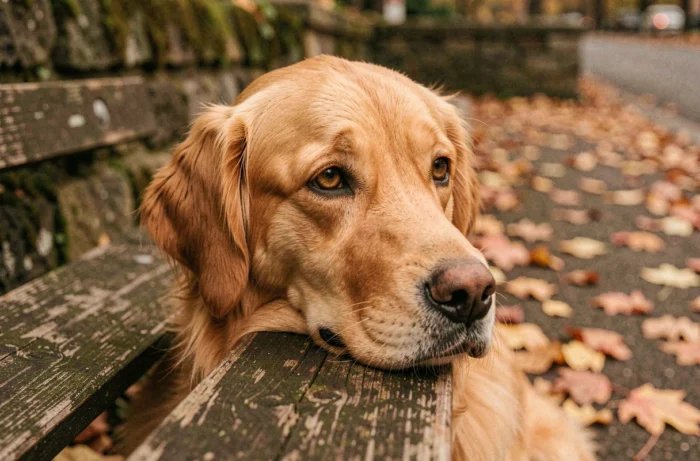
A dog protecting a child from a bear in Connecticut, a 4.5-meter python treated with human cancer therapy, shelters struggling to balance their budgets after a summer of record abandonments: the animal news of recent months mixes on-the-ground stories with concrete alerts. We take stock of the stories and issues that matter, far from compilations of animal-related news.
Field Rescues: When Foundations Manage Extreme Situations
The major French animal protection foundations are no longer limited to classic adoptions. The Brigitte Bardot Foundation documents an increase in complex rescues: dismantling of illegal breeding operations, animals recovered from conflict zones or after natural disasters. According to a video published in August 2026 on the occasion of the foundation’s 40th anniversary, more than 2,500 animals are rescued each year in these contexts, across all species.
On the ground, these operations involve veterinarians, specialized transporters, and foster families trained in re-socialization. A mistreated animal cannot be rehomed in fifteen days. The association FluffyPote, based in Muzillac in Brittany, testifies to this reality: re-socializing dogs or cats that are victims of abuse takes time, and finances are hard to come by.
These stories, sometimes spectacular, can be discovered on Actu Animaux through reports documenting each step, from the initial rescue to the final placement.
Summer Abandonments and Shelters Under Pressure in France

Every summer, animal protection associations face a wave of abandonments. Reports from 2025 and 2026 converge: summer abandonments are breaking records, according to a segment aired by France 24 in August 2026 focusing on French associations under pressure. SPA shelters are overwhelmed, and volunteers are exhausted.
The show “Animals for Adoption: A New Family for a New Life,” aired on TMC, dedicates its seasons 6 and 7 to following shelters after summers deemed dramatic. The SPA shelter in Sarthe, for example, was featured in this show to highlight the daily workload of the teams.
It’s not just about dogs and cats. New pets (NAC) pose specific problems. A boa constrictor recently escaped in a municipality in Hérault, reminding us that the impulsive adoption of reptiles often ends badly for both the animal and the neighborhood.
What Shelters Specifically Need
Financial donations remain the lifeblood of the cause, but shelters also express specific operational needs:
- Temporary foster families capable of managing fearful or aggressive animals, with regular veterinary follow-up
- Appropriate transport equipment (crates, safety harnesses), often lacking in smaller structures
- Volunteers trained in animal mediation, to facilitate re-socialization before adoption
Responses vary on this point: some associations prioritize quick adoptions to free up space, while others prefer a longer process that reduces returns. There is no one-size-fits-all solution.
Unusual Animal Stories: Between Veterinary Science and Viral Narratives
Animal news is not just about distress. Some stories circulate because they reveal concrete advancements or surprising behaviors.
A 4.5-meter python named Jodie Foster was treated for cancer using a therapy typically reserved for humans. This case, documented by Actu.fr, illustrates the rapid evolution of veterinary medicine towards protocols borrowed from human oncology. This is far from an anecdote: these protocol transfers open up new possibilities for other captive species.
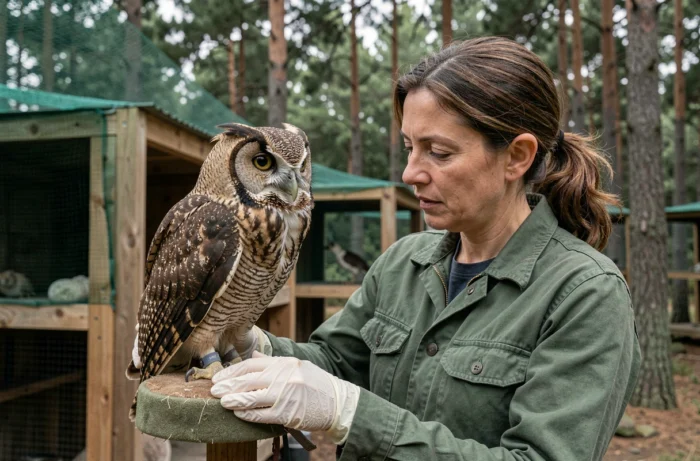
In another instance, in Connecticut, a dog named Bella protected a child during an encounter with a bear. The story, reported by Le Tribunal du Net, reminds us that the protective behavior of some dogs towards children in the household is not a myth. It is based on well-documented attachment mechanisms in canine ethology.
In England, a donkey and a horse have become inseparable in a shelter, forming what caregivers describe as an unusual emotional bond between two species that do not naturally coexist. These narratives resonate on social media because they touch on something simple: the ability of animals to form bonds beyond their species.
AI Images of Wild Animals: A Concrete Problem for Conservation
A less visible but rising issue: the use of AI-generated images to represent wildlife. France 24 dedicated a report in August 2026 to this trend, citing environmental advocates who warn of the risks.
The problem is twofold. First, AI visuals depict impossible scenes (an elephant saving a man from a flood in Nepal, for example) that circulate as real facts. Second, these images distort public perception of the actual state of animal populations.
- AI photos of healthy big cats in intact environments mask the reality of poaching and habitat loss
- Social media algorithms favor these spectacular visuals at the expense of on-the-ground reports
- Conservation associations lose credibility when their real, less flattering images are drowned in a flood of artificial content
As summarized by a curator cited by France 24: “People could get hurt.” Visual misinformation about animals is not trivial; it diverts attention and funding from real causes.
Following Animal News Beyond the Buzz
Major media outlets cover animals intermittently, often through the lens of sensational news or viral videos. Specialized platforms like Actu Animaux, 30 Millions d’Amis, or the foundations themselves offer more regular updates, with news on rescued animals and ongoing campaigns.
The challenge for those genuinely interested in these issues is to move beyond the social media stream. A dog protecting a child is touching. But what changes the lives of animals is the funding of shelters and the rigor of adoptions. The stories serve to mobilize. What matters next is what we do with that mobilization.